
Introduction: The Green Future of Energy
As the world moves toward more sustainable energy solutions, the combination of solar energy and electric vehicle (EV) charging stations stands at the forefront of the green revolution. This synergy is not just a theoretical concept; it is a practical, innovative approach to addressing both the growing need for clean energy and the increasing demand for EV infrastructure. Solar energy, being renewable and abundant, can significantly contribute to powering electric vehicles, reducing our dependence on fossil fuels, and driving us toward a cleaner, greener future.
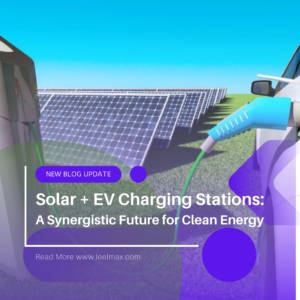
By integrating solar power with EV charging stations, we can create a system where electric vehicles are charged using clean energy, reducing the environmental footprint of EVs while simultaneously addressing the challenges posed by traditional energy grids.
The Benefits of Integrating Solar and EV Charging Stations
- Sustainable Power for EVs
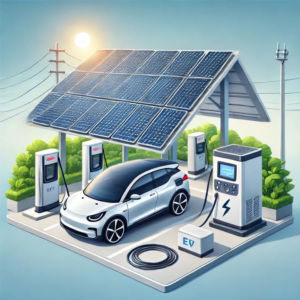
One of the most significant advantages of integrating solar power with EV charging stations is the reduction in the carbon footprint of electric vehicles. Traditional EV charging stations often rely on grid electricity, which is still largely powered by non-renewable sources like coal and natural gas. However, by utilizing solar energy, EVs can be charged entirely using clean, renewable resources.
In countries like Germany and California, solar-powered EV charging stations are gaining traction. For instance, Tesla’s Supercharger network now includes solar-powered charging stations, furthering the goal of a carbon-neutral future.
-
Reduced Energy Costs
For both individuals and businesses, integrating solar panels with EV charging infrastructure can result in significant cost savings. Solar energy, once installed, is essentially free, and it reduces reliance on expensive grid electricity. In addition, the integration of solar energy into EV charging stations can mitigate the effects of rising electricity prices, which is a growing concern in many regions.
A business that integrates solar energy with an EV charging station can lower its operational costs and become more energy-efficient. This is particularly beneficial in areas with high electricity costs or unstable grid systems, where solar power can act as a reliable backup.
-
Energy Independence
By combining solar power with EV charging stations, both individuals and businesses can achieve greater energy independence. Rather than relying on the grid for electricity, solar panels generate energy on-site, which can then be used to charge electric vehicles. This reduces vulnerability to electricity price fluctuations and power outages, particularly in regions with less reliable grid infrastructure.
SolarCity, now part of Tesla, has been a key player in pushing the integration of solar energy with EV charging, offering customers the ability to charge their electric vehicles using their own solar power.

-
Supporting the EV Revolution
The adoption of electric vehicles is on the rise, driven by environmental concerns, government incentives, and advancements in EV technology. As the demand for EVs grows, so does the need for widespread charging infrastructure. Integrating solar panels into EV charging stations provides a solution to this challenge by ensuring that EV charging stations are more energy-efficient, sustainable, and scalable.
Many governments around the world are incentivizing the installation of solar-powered EV charging stations. The European Union, for example, is making significant investments in solar infrastructure as part of its goal to meet the Paris Climate Agreement targets. Such investments not only support the growth of the EV market but also accelerate the transition to clean energy.
-
The Role of Battery Storage
Another critical component of solar-powered EV charging stations is battery storage. When the sun isn’t shining, battery storage systems can store excess energy generated during the day, which can then be used to charge EVs at night or during cloudy periods. This ensures a reliable and uninterrupted supply of energy for EVs, making the solar+EV charging solution even more practical and efficient.
For example, Powerwall by Tesla allows users to store excess solar energy generated during the day for use at night, making it an ideal solution for solar-powered EV charging stations. This technology helps mitigate the intermittent nature of solar power and ensures a consistent charging experience for electric vehicle owners.
Case Studies of Solar + EV Charging Stations
-
The Netherlands: Leading the Charge
The Netherlands is one of the leaders in integrating solar power with electric vehicle charging. The country’s Fastened company has installed solar-powered EV charging stations along highways, providing drivers with the ability to recharge their electric vehicles using clean energy. These stations are equipped with both solar panels and battery storage, ensuring consistent and reliable charging for EV drivers at any time of the day.
-
California: A Hotbed for Solar+EV Innovation
In the United States, California continues to be a leader in the transition to clean energy. The City of San Diego has committed to installing solar-powered EV charging stations throughout the city as part of its efforts to meet its sustainability goals. The city is also encouraging businesses to adopt solar energy in their EV charging infrastructure through various incentives and rebates.
Similarly, Tesla has launched solar-powered Supercharger stations across California, providing EV owners with a fast and sustainable way to charge their vehicles. This is a perfect example of how major corporations are driving innovation in the solar and EV space.
The Future: A Synergistic Clean Energy Ecosystem
As both solar and electric vehicle technologies continue to evolve, the integration of solar power with EV charging stations will only become more efficient and widespread. We can expect advancements in solar panel efficiency, battery storage technology, and charging infrastructure that will make this synergy even more practical for businesses and individuals.
In the near future, we may see entire cities powered by solar energy, with EV charging stations powered by local solar grids, creating a decentralized and sustainable energy ecosystem. This vision aligns with the broader goal of reducing our dependence on fossil fuels and achieving carbon neutrality.
Conclusion: Why Solar + EV Charging Stations Are the Future
The combination of solar power and electric vehicle charging stations is more than just a trend; it’s the future of clean energy. By reducing carbon emissions, lowering energy costs, and enhancing energy independence, this synergy is helping us transition to a more sustainable energy ecosystem. As solar technology advances and the EV market grows, the integration of these two technologies will continue to play a crucial role in shaping a cleaner, greener world.
For businesses and individuals alike, embracing this innovative approach is not only beneficial for the environment but also economically smart. The future of energy is here, and it’s solar-powered and electric.
