Author: admin

  • AI-Driven Solar Power Management: How Smart Tech is Shaping the Future of Renewable Energy

    AI-Driven Solar Power Management: How Smart Tech is Shaping the Future of Renewable Energy

    Introduction

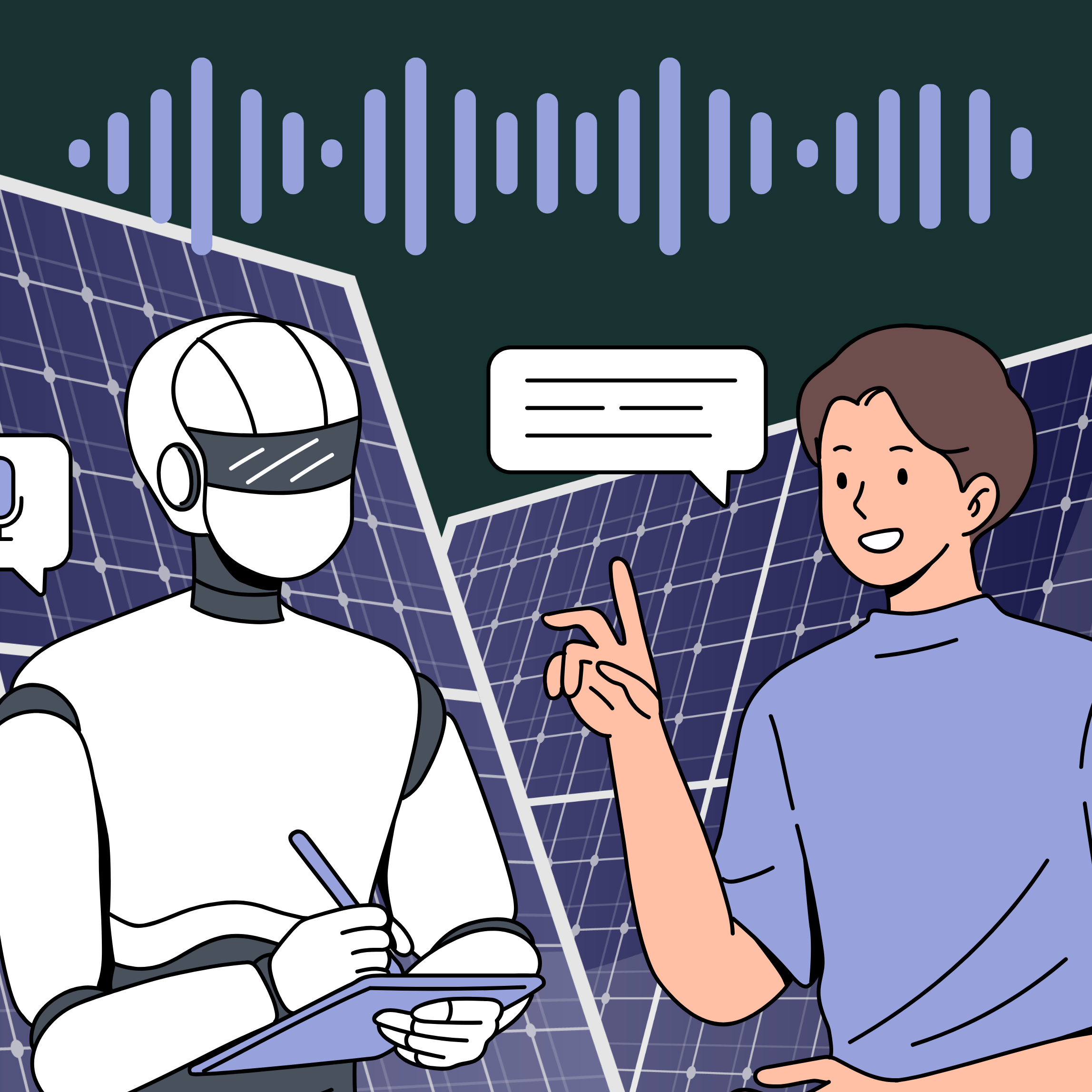
    As the world moves towards more sustainable energy solutions, solar power has emerged as one of the most promising technologies. But the future of solar power is not just about generating clean energy—it’s about managing and optimizing this energy efficiently. AI-driven solar power management systems are revolutionizing the way solar energy is used, making it smarter, more reliable, and more efficient. This blog explores how AI is shaping the future of renewable energy and why businesses in the solar industry should embrace smart technology.
    1

    1. What is AI-Driven Solar Power Management?


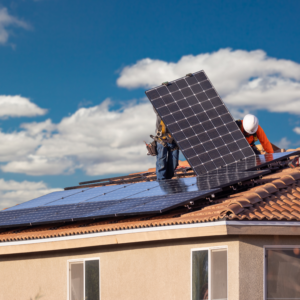
    AI-driven solar power management refers to the integration of artificial intelligence with solar energy systems to optimize energy generation, storage, and consumption. It involves using machine learning algorithms, sensors, and data analytics to monitor solar panels, predict energy production, and adjust settings for maximum efficiency.

    AI can be used in several ways to enhance solar power systems:

    • Predictive Analytics: AI algorithms can predict how much energy a solar panel will generate based on factors like weather conditions, time of day, and geographical location.
    • Energy Storage Optimization: AI systems can help determine the best time to store energy and when to use it, ensuring that energy is available when needed most and minimizing waste.
    • Real-Time Monitoring: AI can continuously monitor the performance of solar panels and other components, identifying issues before they lead to significant failures, thus reducing maintenance costs.
    2

    1. Benefits of AI-Driven Solar Power Systems


    AI-driven systems bring several benefits to solar power generation and consumption, including:

    • Maximized Efficiency: By continuously optimizing energy generation and storage, AI ensures that solar systems operate at peak efficiency, reducing wasted energy and improving ROI.
    • Reduced Maintenance Costs: With real-time monitoring and predictive maintenance, AI helps detect faults early, preventing costly repairs and ensuring that the system runs smoothly.
    • Improved Energy Storage: AI-driven systems can determine the best times to store energy, optimizing battery use and reducing the need for backup power from the grid.
    • Energy Forecasting: AI can predict energy output based on weather patterns, helping businesses better plan their energy consumption and avoid relying on the grid during peak demand times.

    1. AI and Smart Grids: The Future of Energy Distribution
    3

    AI is not only transforming solar power systems themselves but also revolutionizing how energy is distributed. Smart grids, which use AI and IoT (Internet of Things) devices, allow for better management and distribution of electricity. These grids can:

    • Integrate Renewable Energy Sources: AI-powered smart grids can integrate solar power into the existing energy grid more efficiently, balancing supply and demand across regions.
    • Provide Real-Time Data: Smart grids can monitor energy consumption in real-time, allowing for dynamic pricing and ensuring energy is distributed where it is most needed.
    • Increase Grid Stability: AI algorithms can predict and manage fluctuations in power supply, ensuring that the grid remains stable even with intermittent renewable energy sources like solar.


    1. AI-Powered Solar Batteries: Storing Energy Smarter


    Energy storage is one of the key challenges facing the solar power industry. AI is addressing this challenge by optimizing the use of solar batteries. AI systems can analyze data from solar panels and batteries to determine the best times to store or release energy, ensuring that stored energy is used efficiently.

    • Battery Management Systems (BMS): AI helps improve the efficiency of battery management systems by predicting when the battery will need to be recharged or when it is at risk of underperformance.
    • Optimized Charging and Discharging: AI algorithms help control the charging and discharging cycles of solar batteries to prevent degradation and extend the life of the battery.


    1. The Role of AI in Expanding Solar Energy Access


    AI can also help expand access to solar energy, especially in remote or underserved areas. By optimizing solar power generation and distribution, AI can help make solar energy more affordable and accessible to people in areas without reliable access to the grid.

    • Microgrids: AI-powered microgrids can enable off-grid communities to generate, store, and use solar energy efficiently, improving energy access and reducing reliance on fossil fuels.
    • Smart Solar Panels: AI-driven solar panels can be made more efficient and affordable, making them more accessible to residential customers, businesses, and governments alike.


    4


    Conclusion


    AI-driven solar power management is transforming the renewable energy landscape. By making solar power systems smarter, more efficient, and more reliable, AI is unlocking new opportunities for businesses and individuals to embrace clean energy. As the technology continues to evolve, businesses in the solar industry should invest in AI solutions to stay ahead of the curve and help build a sustainable, energy-efficient future.
     

  • The Role of Solar Energy in Achieving Carbon Neutrality by 2050

    The Role of Solar Energy in Achieving Carbon Neutrality by 2050

    The global push for carbon neutrality is gaining momentum, with governments, businesses, and individuals rallying to reduce greenhouse gas emissions. Solar energy, a clean and renewable power source, is at the forefront of this movement. As the world aims to achieve net-zero carbon emissions by 2050, innovations in solar technology are playing a pivotal role in transforming energy landscapes.

    4

    Understanding Carbon Neutrality

    Carbon neutrality, or net-zero emissions, refers to balancing the amount of greenhouse gases emitted with an equivalent amount removed from the atmosphere. Achieving this goal requires a shift from fossil fuels to renewable energy sources, with solar energy emerging as a leading contender.

    Why Solar Energy is Vital

    1. Abundant and Renewable
      The sun provides an inexhaustible energy supply. In just one hour, Earth receives enough solar energy to meet global energy demands for an entire year.
    2. Zero Emissions
      Solar power systems generate electricity without releasing harmful pollutants or greenhouse gases, making them an eco-friendly alternative to traditional energy sources.
    3. Cost Efficiency
      Advances in technology have made solar panels more affordable and efficient, reducing the overall cost of installation and maintenance. Additionally, governments worldwide are offering incentives and tax rebates to promote solar adoption.
    4. Energy Independence
      Solar energy reduces reliance on imported fuels, ensuring energy security for nations while empowering individuals to generate their electricity.

    Innovations Driving Solar Adoption


    4

    1. Bifacial Solar Panels
      These panels capture sunlight on both sides, increasing energy output. They are particularly effective in areas with high ground reflectivity.
    2. Perovskite Solar Cells
      Known for their high efficiency and low production costs, perovskite cells are revolutionizing the solar industry. Researchers predict they could soon surpass silicon-based panels in performance.
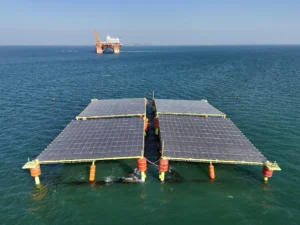
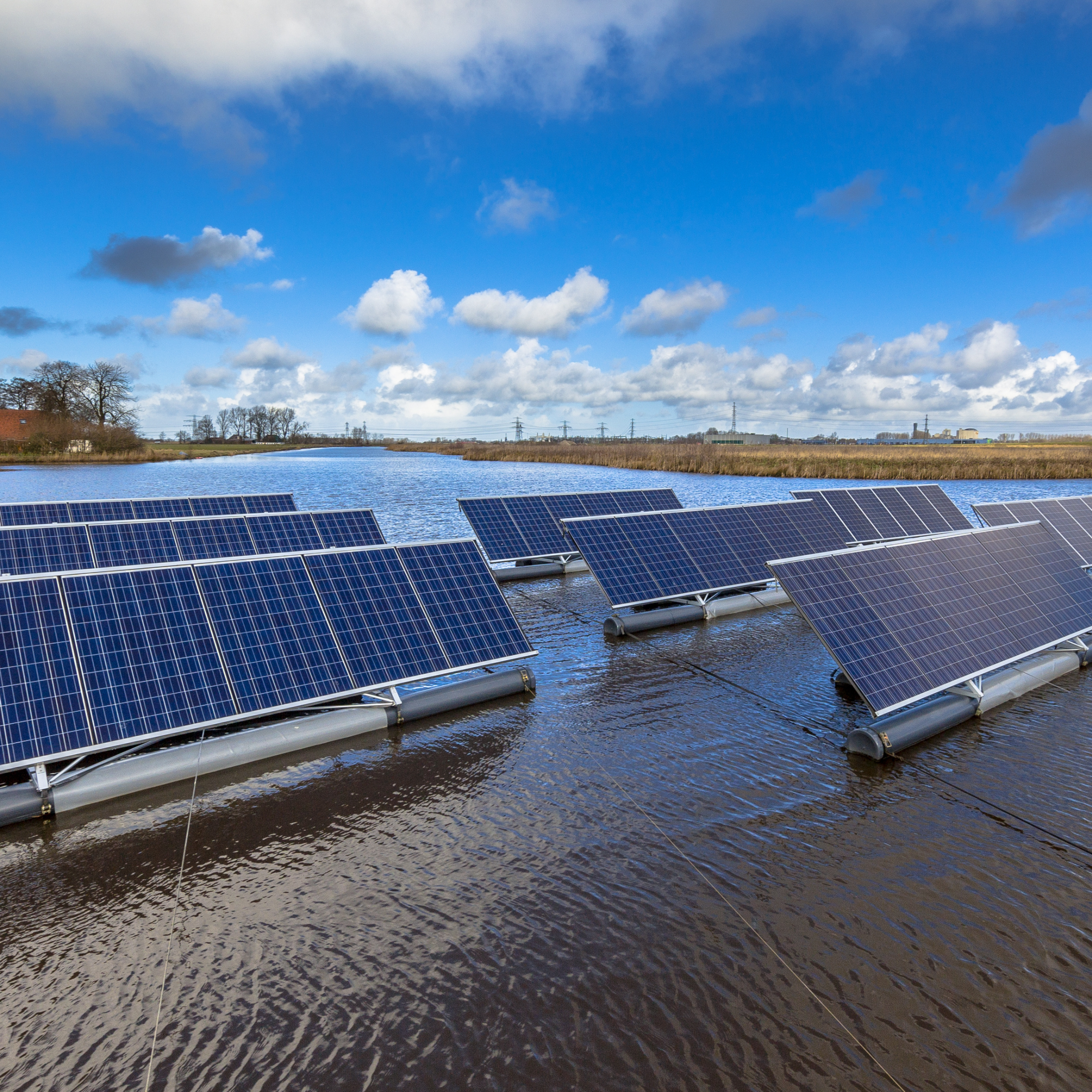
    3. Floating Solar Farms
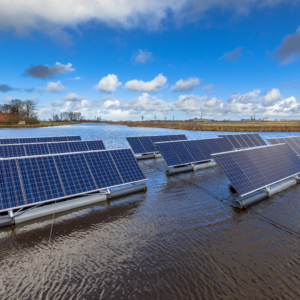
      Installing solar panels on water bodies not only conserves land but also enhances energy efficiency by keeping panels cool.
    4. Energy Storage Systems
      Coupling solar systems with advanced batteries allows for efficient energy storage, ensuring a steady power supply even during cloudy days or at night.


    Solar Energy’s Impact on Key Sectors


    3 1

    1. Residential
      Solar rooftops are becoming increasingly popular among homeowners, offering a sustainable and cost-effective way to meet energy needs.
    2. Commercial
      Businesses are integrating solar panels into their operations to reduce electricity costs and showcase their commitment to sustainability.
    3. Agriculture
      Solar-powered irrigation systems and solar farms on unused agricultural land are empowering farmers to embrace renewable energy.
    4. Transportation
      Solar energy is driving innovation in electric vehicles (EVs), with solar panels integrated into EV charging stations and even vehicle designs.

    Challenges and Solutions


    1. Intermittency
      Solar energy production depends on sunlight availability, leading to fluctuations. Solutions include energy storage systems and hybrid power grids combining multiple renewable sources.
    2. Initial Costs
      While solar installations can be expensive upfront, long-term savings and government subsidies offset these costs.
    3. Land Use
      Large-scale solar farms require significant land. Innovations like floating solar farms and urban solar installations address this concern.

                                                                                                                      2 2

    The Road Ahead: Solar in 2050


    By 2050, experts predict that solar energy will account for a significant portion of global electricity generation. Innovations like transparent solar panels for windows, solar roads, and enhanced storage systems will drive this growth. Countries like China, the U.S., and India are leading the charge, investing heavily in solar infrastructure to meet carbon neutrality goals.

    How Businesses and Individuals Can Contribute

    1. Adopt Solar Solutions
      Install solar panels for residential, commercial, or industrial use to reduce dependency on non-renewable energy.
    2. Support Policies
      Advocate for policies promoting renewable energy adoption and invest in community solar projects.
    3. Educate and Inspire
      Spread awareness about the benefits of solar energy to encourage more people to make the switch.

    Solar energy is not just a solution for today’s energy crisis but a beacon of hope for a sustainable future. As we march toward 2050, embracing solar innovations and making collective efforts can pave the way for a carbon-neutral world. The transition is not just necessary—it’s inevitable.

    Read More :

    Government Policies and Subsidies for Solar Panel Installation in India

  • Government Policies and Subsidies for Solar Panel Installation in India

    Government Policies and Subsidies for Solar Panel Installation in India

    India is on a mission to transition to cleaner and more sustainable energy sources, with solar power playing a pivotal role in this journey. As one of the sunniest countries in the world, India has immense potential for harnessing solar energy, and the government is taking significant steps to promote its adoption. Through supportive policies, subsidies, and initiatives, the government aims to make solar power accessible and affordable for businesses, industries, and households alike.
    In this blog, we’ll explore the government’s solar policies, the financial incentives available, and how these measures are encouraging the growth of solar panel installations in India.

    1 1

    India’s Renewable Energy Vision

    The government of India has set an ambitious target of achieving 500 GW of renewable energy capacity by 2030, with a significant portion expected to come from solar power. Policies like the National Solar Mission (NSM) and initiatives under the Ministry of New and Renewable Energy (MNRE) reflect this vision.
    The aim is not only to reduce dependence on fossil fuels but also to address climate change, reduce greenhouse gas emissions, and provide energy security to the nation.

    Key Government Policies for Solar Energy

    1. National Solar Mission (NSM)
    Launched in 2010 under the National Action Plan on Climate Change, NSM aims to establish India as a global leader in solar energy. Its objectives include:
    o Achieving 100 GW of solar capacity (by 2022, with targets extended for 2030).
    o Promoting large-scale grid-connected solar power plants.
    o Encouraging rooftop solar installations across urban and rural areas.
    2. Solar Park Development Scheme
    This scheme focuses on creating large-scale solar parks across the country. The government provides financial assistance to states for setting up infrastructure to facilitate solar power generation.
    3. Rooftop Solar Scheme
    The government promotes rooftop solar panel installations for residential, institutional, and commercial buildings. This scheme aims to utilize idle rooftop space and reduce the burden on the national grid.
    4. Kisan Urja Suraksha evam Utthan Mahabhiyan (PM-KUSUM)
    PM-KUSUM is a unique initiative designed to support farmers by installing solar pumps and grid-connected solar plants. The program not only reduces farmers’ electricity costs but also allows them to sell surplus power back to the grid, generating additional income.
    5. State-Level Initiatives
    Many states, including Rajasthan, Gujarat, and Tamil Nadu, have implemented their own solar energy policies, offering additional subsidies, incentives, and benefits to promote solar adoption.
    2 1
    Subsidies and Financial Incentives for Solar Panels

    1. Central Financial Assistance (CFA)
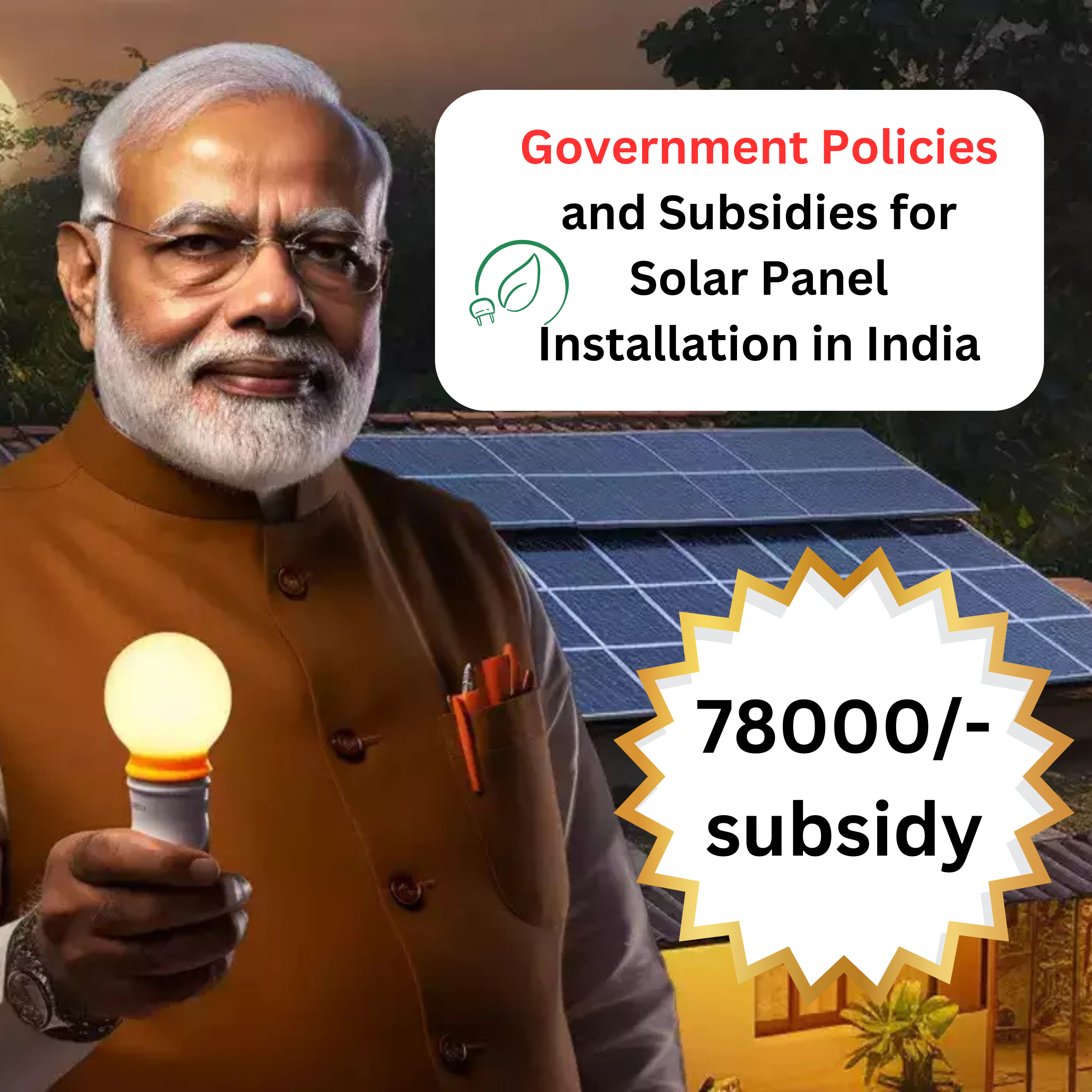
    The government provides a subsidy of up to 40% for rooftop solar installations for residential properties (up to 3 kW capacity). For systems above 3 kW and up to 10 kW, the subsidy is 20%.
    o Example: If you install a 3 kW rooftop solar system costing ₹1.5 lakh, you can get a subsidy of up to ₹60,000 under this scheme.
    2. Net Metering Policy
    Net metering allows solar panel owners to export surplus electricity generated to the grid. In return, they receive credits that reduce their electricity bills. This policy incentivizes homeowners and businesses to adopt solar energy by making it cost-effective.
    3. Tax Benefits
    Businesses installing solar panels can claim a 40% accelerated depreciation in the first year, reducing taxable income and improving ROI.
    4. Soft Loans for Solar Projects
    The Indian Renewable Energy Development Agency (IREDA) and other financial institutions offer low-interest loans for solar installations. These loans make it easier for individuals and businesses to invest in solar energy systems.
    5. State-Level Subsidies
    Several states offer additional incentives for solar panel installation. For instance:
    o Gujarat offers special subsidies for solar water pumps.
    o Rajasthan supports large-scale solar farms with land allotment benefits.
    o Karnataka has waived transmission and wheeling charges for solar power producers.

    Why These Policies Matter

    3
    1. Reduced Installation Costs
    Subsidies and incentives significantly lower the upfront cost of installing solar panels, making them affordable for a larger segment of the population.
    2. Energy Independence
    Solar power reduces dependence on conventional electricity sources, leading to energy self-sufficiency.
    3. Environmental Benefits
    Promoting solar energy helps India reduce its carbon footprint, contributing to global efforts to combat climate change.
    4. Job Creation
    The solar energy sector creates opportunities in manufacturing, installation, and maintenance, boosting local employment.

    Challenges and Future Outlook

    Despite significant progress, challenges remain:
    • Awareness Gaps: Many individuals and businesses are still unaware of available subsidies and benefits.
    • Financing Hurdles: While loans are available, access to financing can be a barrier for small-scale adopters.
    • Grid Integration Issues: The infrastructure to manage and distribute solar-generated power needs further upgrades.
    However, the future looks bright. With advancements in solar technology, declining costs, and continued government support, solar adoption in India is expected to soar. Programs like ‘One Sun, One World, One Grid’ (OSOWOG) further demonstrate India’s commitment to global solar leadership.

    How Leelmax Power Solution Can Help

    At Leelmax Power Solution, we are committed to helping individuals, businesses, and farmers leverage the benefits of solar energy. Our team provides end-to-end solutions, including:
    • Assessing your solar needs.
    • Helping you navigate subsidies and incentives.
    • Installing high-quality solar panels tailored to your requirements.
    We ensure you maximize the financial and environmental benefits of going solar.

    Conclusion

    The Indian government’s proactive policies and subsidies are making solar power an attractive option for millions. By adopting solar energy, you not only contribute to a sustainable future but also enjoy significant cost savings.
    Now is the perfect time to embrace solar energy and reap the benefits of government initiatives. Let’s work together to make India a leader in renewable energy while securing a cleaner, greener tomorrow.
    Contact Leelmax Power Solution today to get started on your solar journey!

  • Floating Solar Farms

    Floating Solar Farms

    The Future of Renewable Energy on Water Bodies

    Introduction

    As global demand for renewable energy grows, land scarcity has become a significant challenge for large-scale solar projects. Floating solar farms present an innovative solution, allowing solar panels to be installed on water bodies. These floating installations provide an alternative to traditional land-based solar farms, making renewable energy accessible in regions where land availability is limited.

    1. What Are Floating Solar Farms?

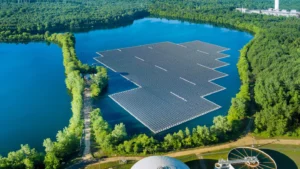
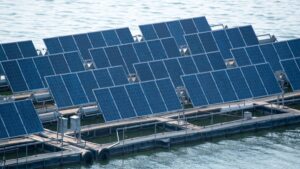
    Floating solar farms are photovoltaic (PV) systems that sit on bodies of water, typically using floating structures made of durable materials. They can be installed on lakes, reservoirs, and even industrial ponds:

    • Structure: The floating solar panels are anchored and stabilized to withstand wind and water currents.
    • Installation Process: Unlike land-based solar, floating solar setups have specialized equipment to ensure stability and durability.

    Floating solar farms are already gaining popularity in countries like Japan, China, and India, where land scarcity drives demand for alternative energy solutions.

    3

    1. Advantages of Floating Solar Farms

    Floating solar farms offer several environmental, operational, and economic advantages:

    • Land Conservation: By utilizing water surfaces, they preserve valuable land resources for agriculture or urban development.
    • Improved Efficiency: The cooling effect of water helps maintain lower panel temperatures, boosting efficiency by up to 10-15%.
    • Environmental Benefits: Floating solar farms reduce evaporation from water bodies and can help maintain water quality by limiting algae growth.

    Floating solar technology has the potential to make renewable energy accessible to densely populated regions and mitigate the environmental impacts of land-based projects.

    1. Challenges and Drawbacks

    Despite their benefits, floating solar farms come with unique challenges:

    • Maintenance: Water-based installations require frequent maintenance, as they are more susceptible to biofouling and wear.
    • Impact on Aquatic Life: While they reduce evaporation, floating solar farms can alter aquatic ecosystems. Engineers are actively working on designs that minimize disruption.
    • Cost: The materials and logistics for water installations tend to be costlier than traditional setups.

    Overcoming these challenges requires innovation in materials, construction techniques, and environmental impact assessments to ensure sustainability.

    2

    1. Key Technological Components

    Floating solar farms require specialized equipment and materials:

    • Solar Panels: Typically high-efficiency, weather-resistant panels to withstand moisture.
    • Floating Structures: Platforms made of UV-resistant, marine-grade plastic.
    • Anchoring Systems: Strong anchors to hold the floating panels in place amid changing water levels and currents.

    Continuous advancements in these components are driving the growth of floating solar projects worldwide, helping to make them more viable and accessible.

    1. Case Studies: Successful Floating Solar Projects

    Several successful floating solar projects demonstrate the potential of this technology:

    • Japan’s Yamakura Dam: One of the largest floating solar plants, supplying power to thousands of homes.
    • China’s Huainan Project: Built on a flooded coal mining area, this project generates significant clean energy without impacting land resources.
    • India’s Kerala Project: A floating solar installation on a state-owned reservoir, contributing to India’s renewable energy goals.

    These case studies highlight the versatility of floating solar farms and their ability to thrive in diverse environmental settings.

    4

    1. Future Prospects for Floating Solar Farms

    The floating solar market is expected to grow rapidly, driven by technological advancements and increased government support:

    • Projected Growth: Analysts predict rapid adoption of floating solar in regions with limited land and abundant water resources.
    • Hybrid Renewable Systems: Floating solar is being paired with hydropower in hybrid systems that maximize energy production from a single site.
    • Technological Innovation: Future advancements in panel materials and anchoring systems could further reduce costs and environmental impact.

    Floating solar farms represent a promising step forward in the global transition to renewable energy, especially for densely populated areas with limited land.

    Conclusion

    Floating solar farms offer an innovative, efficient solution for harnessing renewable energy without the limitations of land scarcity. As technology advances, they could become a cornerstone of sustainable energy systems around the world. Embracing floating solar technology aligns with global sustainability goals, providing clean energy while preserving valuable land resources.

    Read More : what-makes-an-inverter-smart

  • What Makes an Inverter Smart?

    What Makes an Inverter Smart?

    Smart Inverters: The Key to the Next Generation of Solar Power

    Introduction

    As the world transitions to renewable energy, solar power has emerged as a front-runner in the race for sustainable electricity. Yet, to truly harness its potential, we must address some fundamental challenges, particularly the management and optimization of energy flow. This is where smart inverters come into play. These advanced devices not only convert direct current (DC) from solar panels to alternating current (AC) for grid use but also provide critical functions that enhance the efficiency, reliability, and safety of solar energy systems. In this blog, we’ll explore the role of smart inverters in the next generation of solar power and how they are redefining the renewable energy landscape.

    Inverters

    1. What Makes an Inverter “Smart”?

    Unlike traditional inverters, which perform the basic function of DC-to-AC conversion, smart inverters are equipped with advanced software and communication capabilities. They can monitor grid conditions, communicate with utility companies, and adjust power output in real-time to respond to changes in the energy grid. This adaptability makes smart inverters a vital component for integrating renewable energy sources like solar into the existing power infrastructure.

    Some of the primary features of smart inverters include:

    1. Voltage and Frequency Adjustment

      : Smart inverters can control the voltage and frequency of electricity entering the grid, reducing the risk of overloads and ensuring stable power quality.

    2. Remote Monitoring and Diagnostics

      : With internet connectivity, smart inverters can send real-time data on system performance to technicians, allowing for quicker issue resolution and minimal downtime.

    3. Anti-Islanding

      : In cases of a grid outage, smart inverters can detect the loss of power and automatically disconnect to prevent “islanding,” which could endanger utility workers repairing the grid.

    1. Key Benefits of Smart Inverters for Solar Power Smart Inverts

    1. Increased Efficiency and Output Smart inverters maximize the efficiency of solar power systems by dynamically adjusting to grid conditions. Through real-time adjustments, they ensure that solar energy is consistently supplied, even during periods of fluctuation, such as cloudy weather or peak electricity usage. This results in a smoother and more reliable energy output, which is essential for widespread adoption of solar power.
    2. Enhanced Grid Stability and Reliability As more households and businesses install solar panels, energy grids can face challenges in handling the intermittent nature of solar energy. Smart inverters help stabilize the grid by managing power flow and balancing supply with demand. According to a report by the U.S. Department of Energy, smart inverters contribute to grid stability by providing services like reactive power support and voltage regulation, ensuring that energy systems remain resilient and adaptable to fluctuations.
    3. Improved Safety Features One of the critical features of smart inverters is their ability to prevent backflow of electricity during outages. Traditional inverters cannot detect outages and may continue sending power to the grid, endangering workers. Smart inverters, however, can sense grid disruptions and automatically shut down, providing an added layer of safety.
    4. Data-Driven Performance Monitoring By continuously collecting data, smart inverters allow users and utilities to monitor system performance remotely. This data-driven approach enhances decision-making, as homeowners and businesses can track energy production, identify potential issues early, and optimize usage based on energy patterns. Moreover, utility companies can use this data to balance energy loads effectively, making it easier to integrate other renewable sources alongside solar.
    1. The Role of Smart Inverters in Energy Storage

    As the use of solar power grows, energy storage solutions, such as battery systems, are becoming essential for balancing supply and demand. Smart inverters play a crucial role in this integration by managing the flow of energy between the solar panels, the battery, and the grid. When excess energy is produced, smart inverters can direct it to storage systems, making it available for use during nighttime or cloudy periods. This capability not only maximizes energy utilization but also reduces dependence on the grid, promoting greater energy independence.

    2 2

    • Energy Storage Optimization

    For homeowners and businesses with energy storage, smart inverters enable automatic switching between stored and grid power based on factors like electricity rates and grid demand. This ensures that stored energy is used efficiently and helps users lower their energy bills by relying on cheaper, off-peak electricity. In regions with time-of-use billing, this feature can lead to significant cost savings.

    • Enabling Grid Modernization and Smart Grids

    Smart inverters are paving the way for “smart grids,” where power generation and consumption are optimized through digital technology. By incorporating smart inverters, energy grids become more flexible and can better handle the influx of renewable energy. For instance, during periods of high energy generation, smart inverters can divert excess electricity into the grid, effectively turning homes and businesses into micro-power plants.

    • Smart Inverters and Policy Support

    The role of smart inverters is increasingly recognized by regulatory bodies. For example, in California, the Rule 21 mandate requires that all new solar installations include smart inverters capable of grid-supportive functions. Such policies are setting a precedent, emphasizing the necessity of smart inverters for the future of solar power. Countries across Europe and Asia are also incorporating similar policies, establishing smart inverters as an industry standard for distributed energy resources (DER).

    1 2

    1. Challenges and Future Prospects

    1. Cost and Complexity Although smart inverters offer substantial benefits, they come at a higher cost compared to traditional inverters. The additional functionalities require more sophisticated technology, and for smaller installations, this can be a financial barrier. However, as technology advances and adoption increases, prices are expected to decrease, making smart inverters more accessible to a broader audience.
    2. Cybersecurity Concerns With smart inverters’ connectivity to the internet and utility networks, they become potential targets for cyber threats. Ensuring robust cybersecurity protocols will be essential to protect both individual systems and the grid from potential attacks.
    3. Evolving Standards and Regulations As smart inverters become integral to energy grids, standards and regulations will need to evolve to ensure compatibility and functionality across regions. Global efforts are underway to create harmonized standards, which will facilitate the widespread adoption of smart inverters and enhance grid interoperability.

    Conclusion

    Smart inverters are transforming the solar power landscape, offering solutions to enhance efficiency, stability, and safety within the energy grid. As an essential bridge between renewable energy and modern power infrastructure, smart inverters empower homeowners and businesses to optimize their solar energy usage, contributing to a sustainable energy future. By integrating energy storage, promoting grid modernization, and complying with evolving standards, smart inverters play a vital role in advancing the global adoption of solar power. As we look toward the next generation of energy solutions, the impact of smart inverters on grid reliability and energy efficiency is undeniable. With continued innovation and supportive policies, these devices are poised to drive the solar power industry into a cleaner, more resilient era.

    Read More: How to Choose The Right Solar Panel for Your Home or Business

  • How to Choose the Right Solar Panel for Your Home or Business

    How to Choose the Right Solar Panel for Your Home or Business

    In today’s world, where sustainability is more than a buzzword, solar panels are an excellent investment. Whether you’re looking to power your home or business, solar energy can reduce your carbon footprint and save you money in the long term. But with so many options available, how do you choose the right one? Let’s walk you through the important factors that will help you make an informed decision.

    1. Evaluate Your Energy Consumption

    1 1

    The first step in choosing the right solar panel system is understanding your energy consumption. Start by reviewing your electricity bills to get an idea of your average monthly consumption, measured in kilowatt-hours (kWh). If you’re considering solar panels for a business, your energy needs may be significantly higher, so a larger system might be necessary. Homes generally have lower energy demands, making a smaller system more viable.

    For an efficient system, it’s ideal to select panels that cover 80-100% of your energy needs. This ensures you maximize savings on energy bills and benefit from clean, renewable energy.

    2. Types of Solar Panels

    There are three primary types of solar panels available on the market:

     Monocrystalline Panels:

    Known for their high efficiency (18-22%) and sleek appearance, monocrystalline panels are made from a single silicon crystal. They perform well in low-light conditions and have a longer lifespan, but they come at a higher price point.

     Polycrystalline Panels:

    More affordable than monocrystalline, polycrystalline panels are made from multiple silicon fragments. Their efficiency is slightly lower (15-17%), but they are a good option if you’re working with a budget and have enough roof space.

     Thin-Film Panels:

    Lightweight and flexible, thin-film panels are less efficient (10-12%) but can be ideal for large commercial buildings or unconventional installations. They are not the best option for residential use due to their lower efficiency.

    3. Panel Efficiency

    Efficiency refers to how well a solar panel can convert sunlight into electricity. Monocrystalline panels offer the highest efficiency, making them ideal for spaces with limited roof area. Polycrystalline panels provide moderate efficiency, while thin-film panels, though less efficient, can still be suitable for large, open areas where installation space is not a constraint.
    The higher the efficiency, the more energy you can produce from a smaller surface area. If you want to cover most of your energy needs, go for the highest efficiency panel within your budget.

    2 1

    4. Location and Sunlight Exposure

    Your geographic location significantly impacts the effectiveness of solar panels. If you’re located in an area with ample sunlight year-round, such as California or Arizona, you’ll benefit from higher energy production. However, even if you’re in a region with less sun exposure, modern solar panels are still capable of generating enough power to be beneficial, especially if you opt for higher-efficiency panels.
    For maximum efficiency, install your panels on a south-facing roof. This orientation captures the most sunlight in the Northern Hemisphere. Avoid areas of your roof that are frequently shaded by trees or nearby structures, as shading can reduce the amount of energy your panels generate.

    5. Durability and Warranty

    Solar panels are a long-term investment, and durability should be a top priority. Most reputable panels come with a warranty of 25 years, covering manufacturing defects and ensuring performance over time. Over the years, panels will degrade slightly, but a high-quality panel should still produce about 80-85% of its original output after 25 years.

    leelmax power

    6. Grid-Tied vs. Off-Grid Systems

    One of the key decisions to make when selecting solar panels is whether you want a grid-tied or off-grid system.

    • Grid-Tied:

    These systems are connected to the local power grid. If your panels produce more electricity than you need, the excess energy is sent back to the grid, and you may receive credit from your utility company (net metering). Grid-tied systems are generally more cost-effective and don’t require expensive battery storage.

    • Off-Grid:

    Off-grid systems are completely independent of the grid. They require battery storage to ensure you have power during cloudy days or at night. These systems are more expensive due to the cost of batteries, but they provide total energy independence, which is essential in remote areas without grid access.

    7. Solar Incentives and Financing Options

    One of the best ways to make solar panels affordable is by taking advantage of government incentives. In the United States, for example, the Federal Investment Tax Credit (ITC) allows homeowners and businesses to deduct 30% of the cost of a solar installation from their federal taxes. Various states and local utilities may offer additional rebates or incentives.

    8. Battery Storage: Necessary or Not?

    For homes and businesses connected to the grid, battery storage is not always necessary. However, if you’re looking for energy independence, or live in an area prone to power outages, a solar battery can store excess energy for use during nighttime or cloudy days. While solar batteries add to the overall cost of your system, they can provide peace of mind and ensure you have power even when the grid goes down.

    9. Cost vs. Long-Term Savings

    While the upfront cost of solar panels can be a significant investment, the long-term savings on electricity bills make it worthwhile. Depending on the size of your system and local electricity rates, you can expect a payback period of about 5 to 10 years. After that, you’ll essentially be generating free electricity for the life of your solar panels.

    Conclusion

    Choosing the right solar panel for your home or business is a critical decision that requires careful consideration of your energy needs, location, budget, and long-term goals. By evaluating your consumption, understanding the different types of panels, and considering factors like efficiency, durability, and financing, you can make a choice that will benefit you for years to come. Solar energy is an investment in a sustainable future, and the right system will help you reduce costs while reducing your environmental impact.

    Read More: How Solar Power is Shaping the Energy Industry ?

  • How Solar Power is Shaping the Energy Industry ?

    How Solar Power is Shaping the Energy Industry ?

    The Future of Solar Energy:

    How Solar Power is Shaping the Energy Industry


    Introduction

    In an era where climate change and energy sustainability are at the forefront of global discussions, solar energy has emerged as a key player in shaping the future of the energy industry. With increasing reliance on renewable energy sources, solar power not only helps reduce greenhouse gas emissions but also offers a sustainable solution to meet the world’s growing energy demands.

    1. Why Solar Energy is the Future

    Solar energy is more than just an alternative energy source; it is

    rapidly becoming a primary means of energy generation across the globe. Here are a few reasons why solar energy is considered the future:

    • Environmental Benefits: Solar power significantly reduces carbon footprints, as it harnesses the sun’s energy, a renewable resource, unlike fossil fuels that emit harmful pollutants.
    • Economic Advantages: The cost of solar panels has decreased dramatically over the years, making solar energy more accessible. Homeowners and businesses can save significantly on energy bills while contributing to energy independence.
    • Technological Advancements: Continuous innovation in solar technology, such as improved photovoltaic cells and energy storage solutions, has enhanced the efficiency and reliability of solar systems.


    1

    1. The Role of Solar Energy in Industry

    Solar energy is reshaping various industries by providing sustainable solutions.

    • Residential Impact: Homeowners are increasingly adopting solar energy systems, which not only lower electricity costs but also increase property value.
    • Commercial and Industrial Impact: Businesses are transitioning to solar energy to reduce operational costs and meet corporate sustainability goals. Many companies are integrating solar power into their operations to mitigate risks associated with energy price fluctuations.
    • Public Sector Initiatives:-

    Governments around the world are increasingly investing in solar energy projects to enhance energy security and promote sustainable development. Public sector initiatives, such as large-scale solar farms and community solar programs, are being implemented to provide clean energy to neighborhoods and rural areas.

    1. Innovations in Solar Technology

    The solar industry is experiencing rapid advancements that enhance its efficiency and integration into everyday life:

    • Bifacial Solar Panels: These panels capture sunlight from both sides, increasing energy generation.
    • 2Solar Roof Tiles: Innovative designs that blend seamlessly with conventional roofing materials are making solar energy more aesthetically pleasing.

    • Smart Grids: The integration of solar energy into smart grid systems allows for more efficient energy distribution and consumption.
    1. Challenges Facing Solar Energy Adoption

    While the benefits are numerous, the adoption of solar energy does face certain challenges:

    • Initial Costs: Although prices have dropped, the upfront investment for solar systems can still be a barrier for some homeowners and businesses.
    • Energy Storage Limitations: Efficient energy storage solutions are critical for ensuring a reliable power supply, particularly when sunlight is not available.
    • Regulatory Hurdles: The policy landscape surrounding solar energy can vary significantly from one region to another, impacting deployment.
    1. The Road Ahead: Solar Energy in 2030 and Beyond

    Looking towards the future, solar energy is poised for significant growth:  4


    • Predicted Advancements: Innovations in energy storage, such as lithium-silicon batteries, will enable better management of solar energy and enhance reliability.
    • Smart Solar Cities: The concept of solar-powered smart cities is gaining traction, where urban infrastructure is integrated with solar technology to create sustainable living environments.
    • Environmental Impact: The transition to solar energy is expected to play a crucial role in achieving global carbon reduction targets, helping to combat climate change.

    Conclusion

    As we move forward, the importance of solar energy in the global energy landscape cannot be overstated. With its numerous benefits, advancements in technology, and growing acceptance, solar power is not just a trend; it is the future of energy. By investing in solar solutions today, individuals and businesses can contribute to a sustainable future for generations to come.


  • Best solar company in jaipur

    Leelmax 6

    Leelmax Power Solution Pvt. Ltd.

    Best solar company in jaipur

    Leelmax Power Solutions Established in 2015. Our Company having great customer. The company aim to bring awareness among the people for energy conservation. Our passion is to deliver outstanding. Leelmax Power Solutions working last 8 years in solar energy field. Company completed more project in solar sector on grid/off grid, solar water pump, street light and govt. project.

    Leelmax 320by320
    Top Solar Energy Company in Jaipur, Rajasthan, India
    Leelmax Power Solution Pvt. Ltd. is Top Solar Energy Company in Jaipur, Rajasthan.
    This company is Collaborated with UTL Solar, Fuziyama Solar and Tata Green Battries.


    Leelmax 1

    प्रधानमंत्री सूर्योदय योजना क्या है? 

    इस योजना के तहत लोगो के घरों पर सोलर लग जाने के बाद उनके बिजली के बिलों में 300 यूनिट तक बिजली फ्री दी जाएगी. 1 किलोवाट सोलर पर 30000 रुपये, 2 किलोवाट पर 60000 और 3 किलोवाट पर 78000 रुपये की सब्सिडी दी जाएगी। इस  योजना का राजस्थान के किसी भी शहर, कस्बे या गांव  में लाभ उठाने के लिए आप Leelmax Power Solution Pvt. Ltd. से सोलर लगवा सकते है।   

  • Inspire Design Decision With Otto Storch When Idea, Copys Typography Became Inseparable

    Inspire Design Decision With Otto Storch When Idea, Copys Typography Became Inseparable

    Sed ut perspiciatis unde omnis iste natus error sit voluptatem accusantium doloremque laudanes tium, totam rem aperiam, eaque ipsa quae ab illo inventore veritatis et quasi architecto beatae vitae dicta sunt explicabo. Nemo enim ipsam voluptatem quia voluptas sit aspernatur

    L

    Ut enim ad minima veniam quis nostrum exercitationem ullam corporis suscipit labo nisi ut aliquid ex ea commodi consequatur Quis autem vel eum iure reprehender quin voluptate velit esse quam nihil molestiae consequatur, vel illum qui dolorem

    blog32
    blog33

    Power Solutions For Wind Trubine

    But I must explain to you how all this mistaken idea of denouncing pleasure and praising pain was born and I will give you a complete account of the system, and expound the actual teachings of the great explorer of the truth, the master-builder of human happiness. No one rejects, dislikes, or avoids pleasure itself, because it is pleasure, but because those who do not know how to pursue pleasure rationally encounter consequences that are extremely painful. Nor again is there anyone who loves or pursues or desires to obtain pain of itself, because it is pain, but because occasionally circumstances occur in which toil and pain can procure him some great pleasure. To take a trivial example, which of us ever undertakes laborious physical exercise, except to obtain some advantage from it? But who has any right to find fault with a man who chooses to enjoy a pleasure that has no annoying consequences, or one who avoids a pain that produces no resultant pleasure

    • When You Find A Good Idea, Look For A Better One
    • Inspired Design Decisions With Neville Brody: Design Cannot Remain Neutral
    • Embrace The Possibilities (March 2020 Wallpapers)
    • How To Build A Music Manager With Nuxt.js And Express.js

    How To Build Simple Cryptocurrency
    Blockchain In Node Setting

    Michel Jone
  • Announcing Smashing Online Workshops With Otto Storch When Idea, Copys Typography

    Sed ut perspiciatis unde omnis iste natus error sit voluptatem accusantium doloremque laudanes tium, totam rem aperiam, eaque ipsa quae ab illo inventore veritatis et quasi architecto beatae vitae dicta sunt explicabo. Nemo enim ipsam voluptatem quia voluptas sit aspernatur

    L

    Ut enim ad minima veniam quis nostrum exercitationem ullam corporis suscipit labo nisi ut aliquid ex ea commodi consequatur Quis autem vel eum iure reprehender quin voluptate velit esse quam nihil molestiae consequatur, vel illum qui dolorem

    blog32
    blog33

    Power Solutions For Wind Trubine

    But I must explain to you how all this mistaken idea of denouncing pleasure and praising pain was born and I will give you a complete account of the system, and expound the actual teachings of the great explorer of the truth, the master-builder of human happiness. No one rejects, dislikes, or avoids pleasure itself, because it is pleasure, but because those who do not know how to pursue pleasure rationally encounter consequences that are extremely painful. Nor again is there anyone who loves or pursues or desires to obtain pain of itself, because it is pain, but because occasionally circumstances occur in which toil and pain can procure him some great pleasure. To take a trivial example, which of us ever undertakes laborious physical exercise, except to obtain some advantage from it? But who has any right to find fault with a man who chooses to enjoy a pleasure that has no annoying consequences, or one who avoids a pain that produces no resultant pleasure

    • When You Find A Good Idea, Look For A Better One
    • Inspired Design Decisions With Neville Brody: Design Cannot Remain Neutral
    • Embrace The Possibilities (March 2020 Wallpapers)
    • How To Build A Music Manager With Nuxt.js And Express.js

    How To Build Simple Cryptocurrency
    Blockchain In Node Setting

    Michel Jone
Message Us on WhatsApp

Enquiry From

Name
Call Now!!